LECTURE 1 · UNIDO General Conference · CCMUN 2026 · ~18 min
UNIDO and the Global Industrial Landscape
Understanding the Challenges of Inclusive and Sustainable Industrial Development
Learning Objectives
- Identify UNIDO's mandate, structure, and five core functions
- Analyze the three industrialization gaps identified by the Industrial Development Report 2026
- Evaluate the five megatrends reshaping global industry
- Assess three systematic challenges: infrastructure, economic imbalance, and AI disruption
1 · Committee Overview
The United Nations Industrial Development Organization
UNIDO was established in 1966 as a subsidiary body of the UN General Assembly (Resolution 2152). Today it serves as the central global platform for industrial development cooperation, headquartered in Vienna with 173 Member States. Its mission: promote Inclusive and Sustainable Industrial Development (ISID).
1966
Established
173
Member States
Vienna
Headquarters
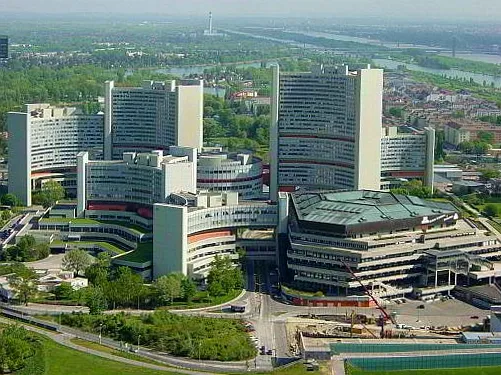
UNIDO Headquarters, Vienna — the central platform for global industrial development cooperation
2 · Structure & Functions
Governance and Core Functions
UNIDO is governed by three principal organs. The General Conference (all 173 Member States, meets biennially) sets policy direction and approves the budget. The Industrial Development Board (53 members, meets annually) oversees programme implementation. The Secretariat, led by the Director General, executes day-to-day operations.
UNIDO's work is organized around five core functions:
- Technical Cooperation — Delivering hands-on industrial development projects in the field
- Policy Advice & Statistical Analysis — Providing evidence-based policy recommendations to Member States
- Norms & Standards — Developing international industrial standards and best practices
- Convening & Partnerships — Facilitating dialogue between governments, industry, and civil society
- Knowledge Hub — Managing the Industrial Development Report and global statistical databases
3 · Global Development Dynamics
The End of Business as Usual: Three Industrialization Gaps
Global growth stagnated at approximately 2.7% (2024–2025), a marked decline from the pre-2008 average of 4.4%. Progress in the Human Development Index (HDI) has correspondingly slowed, underscoring the urgency of rethinking development strategies.
| Gap | Description |
|---|
| Industrialization Gap | Growing divergence in manufacturing value-added between developed and developing countries |
| Technology Gap | Digital and technological divide separating advanced economies from least developed countries |
| Sustainability Gap | Tension between industrial growth imperatives and environmental protection goals |
Source: UNIDO Industrial Development Report 2026
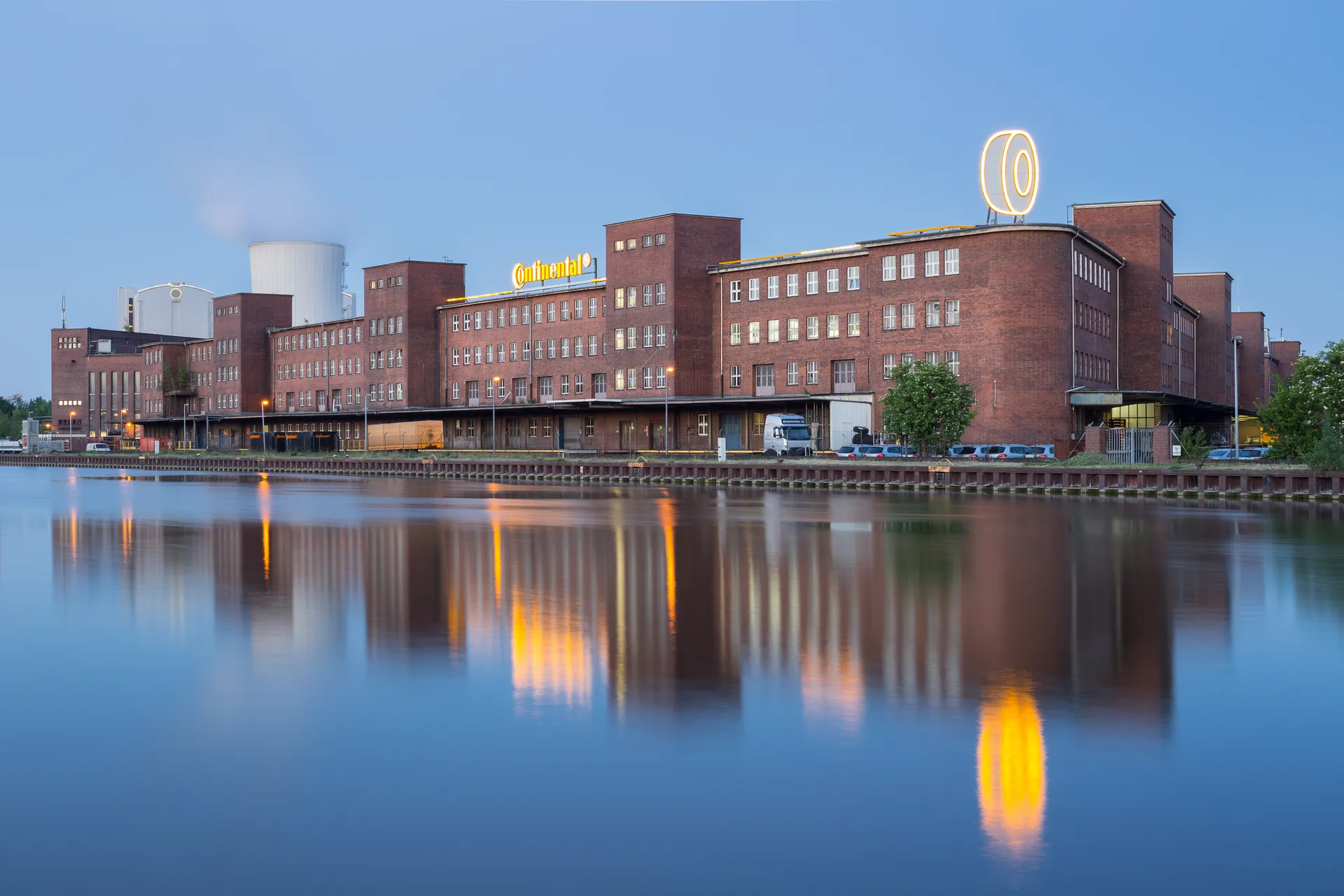
The three industrialization gaps demand urgent, coordinated global action
4 · Global Megatrends
Five Megatrends Reshaping the Global Industrial Landscape
Five transformative forces are redefining the terrain of industrial policy. Delegates should pay particular attention to the first two, as they are most directly relevant to this Conference.
| # | Megatrend | Key Implication |
|---|
| 1 | Reconfiguration of Global Value Chains (GVCs) | Near-shoring, friend-shoring, and strategic autonomy reshape trade patterns |
| 2 | AI and Digitalization | Dual character — unprecedented efficiency gains alongside disruptive job displacement |
| 3 | Climate Change and Green Transition | Net-zero commitments drive industrial transformation but create new dependencies |
| 4 | Demographic Shifts | Aging workforces in the North contrast with youth bulges in the Global South |
| 5 | Geopolitical Fragmentation | Sanctions regimes, technology blocks, and regional blocs challenge multilateral coordination |
Of these five megatrends, GVC reconfiguration and AI and Digitalization carry the most direct implications for the UNIDO General Conference agenda.
5 · Systematic Challenge I
Systematic Challenge I: Weak Infrastructure Foundations
Infrastructure deficits constitute a binding constraint on industrial development. The numbers are stark:
685M
Lack electricity (2022)
1B
Live >2km from all-season road
2.2B
Lack safe drinking water
A meta-analysis of over 1,000 estimates from more than 200 studies confirms that infrastructure investment has a significant positive effect on economic output. Yet the geographic distribution of infrastructure remains deeply uneven — modern industrial corridors cluster around urban cores, while rural areas remain thinly served.
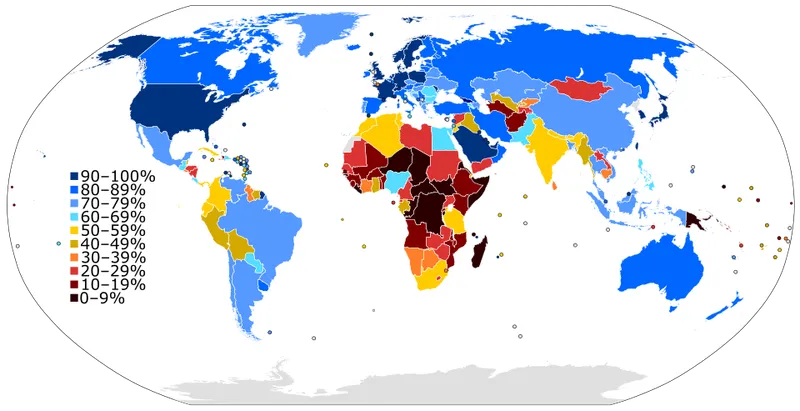
Uneven infrastructure access perpetuates the divide between urban and rural industrial capacity
6 · Systematic Challenge II
Systematic Challenge II: Unbalanced Global Economic Structure
Persistent current account surpluses and deficits across major economies create structural vulnerabilities. The IMF's 2026 policy paper "Understanding Global Imbalances" identifies these asymmetries as a root cause of financial instability.
Surplus countries — typically export-oriented economies — save more than they invest, accumulating foreign reserves. Deficit countries, by contrast, invest more than they save, relying on external financing. Macro-industrial policies — including foreign reserve accumulation and capital controls — can exacerbate these imbalances rather than correct them.
The consequences are far-reaching: heightened external financing risks, exchange rate volatility, and growing protectionist pressures that threaten the multilateral trading system.
7 · Systematic Challenge III
Systematic Challenge III: AI — Promise and Peril
Opportunities
- Data-driven insights — AI enables predictive maintenance, supply chain optimization, and real-time industrial analytics
- Efficiency gains — Automation of routine tasks frees human capital for higher-value activities
- Economic value — AI is projected to contribute trillions of dollars to the global economy by 2030
Challenges
- Algorithmic bias — Historical data embedded in AI systems can perpetuate discrimination
- Job displacement — Automation threatens livelihoods across manufacturing and services
- Deepfakes & misinformation — AI-generated content threatens democratic processes
- Concentration of AI infrastructure — Compute power and data remain concentrated in a few economies
Not all companies can afford or successfully implement AI technologies, thus creating a new form of digital divide
AI-generated misinformation and deepfakes pose a particular threat to democratic processes. Delegates must weigh the dual-use nature of these technologies when formulating industrial policy recommendations.
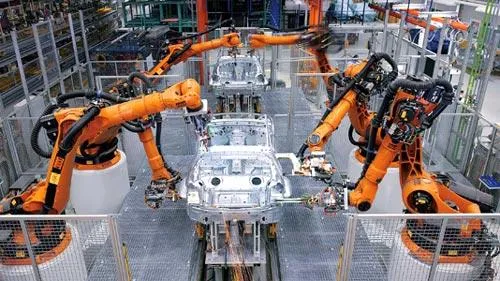
Artificial intelligence offers transformative potential but introduces novel risks for industrial policy
9 · Reflection
Questions for Delegates
- Which bloc does your country belong to — digital technology producer, adopter, or underserved? What implications does this status carry for your negotiating position?
- How can developing countries bridge the digital divide to extend the benefits of AI and digital technologies to SMEs, rural communities, and marginalized groups?
- What role should UNIDO play in assisting Member States to develop national digital industrialization strategies aligned with SDG 9 (Industry, Innovation and Infrastructure)?
- How can fair labor practices be guaranteed for workers disrupted by automation and AI, particularly in economies with limited social safety nets?
—— End of Lecture 1 ——
Next: Solutions, Actions & Case Studies